Fig 8 Color
Forum rules
Read this before posting!!
Since this board has been up, we have found there are several questions that routinely get asked in order to help diagnose problems. If you can have that information to begin with in your post, we'll be able to help right away (if we can!) without having to wait for you to post the info we need.
1) Your water parameters - pH, Ammonia, Nitrite, Nitrates and salinity (if appropriate). This is by far the most important information you can provide! Do not answer this with "Fine" "Perfect" "ok", that tells us nothing. We need hard numbers.
2) Tank size and a list of ALL inhabitants. Include algae eaters, plecos, everything. We need to know what you have and how big the tank is.
3) Feeding, water change schedule and a list of all products you are using or have added to the tank (examples: Cycle, Amquel, salt, etc)
4) What changes you've made in the tank in the last week or so. Sometimes its the little things that make all the difference.
5) How long the aquarium has been set up, and how did you cycle it? If you don't know what cycling is read this: Fishless Cycling Article and familiarize yourself with all the information. Yes. All of it.
We want to help, and providing this information will go a LONG way to getting a diagnosis and hopeful cure that much faster.
While you wait for assistance:
One of the easiest and best ways to help your fish feel better is clean water! If you are already on a regular water change schedule (50% weekly is recommended) a good step to making your fish more comfortable while waiting for diagnosis/suggestions is to do a large water change immediately. Feel free to repeat daily or as often as you can, clean water is always a good thing! Use of Amquel or Prime as a dechlor may help with any ammonia or nitrite issues, and is highly recommended.
Note - if you do not normally do large water changes, doing a sudden, large water change could shock your fish by suddenly changing their established water chemistry. Clean water is still your first goal, so in this case, do several smaller (10%) water changes over the next day or two before starting any large ones.
Read this before posting!!
Since this board has been up, we have found there are several questions that routinely get asked in order to help diagnose problems. If you can have that information to begin with in your post, we'll be able to help right away (if we can!) without having to wait for you to post the info we need.
1) Your water parameters - pH, Ammonia, Nitrite, Nitrates and salinity (if appropriate). This is by far the most important information you can provide! Do not answer this with "Fine" "Perfect" "ok", that tells us nothing. We need hard numbers.
2) Tank size and a list of ALL inhabitants. Include algae eaters, plecos, everything. We need to know what you have and how big the tank is.
3) Feeding, water change schedule and a list of all products you are using or have added to the tank (examples: Cycle, Amquel, salt, etc)
4) What changes you've made in the tank in the last week or so. Sometimes its the little things that make all the difference.
5) How long the aquarium has been set up, and how did you cycle it? If you don't know what cycling is read this: Fishless Cycling Article and familiarize yourself with all the information. Yes. All of it.
We want to help, and providing this information will go a LONG way to getting a diagnosis and hopeful cure that much faster.
While you wait for assistance:
One of the easiest and best ways to help your fish feel better is clean water! If you are already on a regular water change schedule (50% weekly is recommended) a good step to making your fish more comfortable while waiting for diagnosis/suggestions is to do a large water change immediately. Feel free to repeat daily or as often as you can, clean water is always a good thing! Use of Amquel or Prime as a dechlor may help with any ammonia or nitrite issues, and is highly recommended.
Note - if you do not normally do large water changes, doing a sudden, large water change could shock your fish by suddenly changing their established water chemistry. Clean water is still your first goal, so in this case, do several smaller (10%) water changes over the next day or two before starting any large ones.
Fig 8 Color
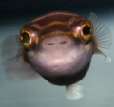
As I have written before I have 2 new fig 8's that came home with Ich, I'm treating as suggested with salt, temp, Melafix. They are both eating and fairly active. My question is they are close in size with one (lighter one)a little larger, white bellies but one is brighter yellow gives a all over kind of light bright yellow coloring, the second has the white belly but is darker looking not as bright of yellow or contrast in coloring and her lips are kind of a gray. Is this because they have Ich and she is sicker or is there a verity of shades and brightness in the figure 8's with some looking kind of dark?
i think the best thing you can do, before concerning yourself about whether your F8's are the same colour or not, is to rid them of ich first.
I have seen numerous instances where there is variation in belly colour and slightly more obviously, the markings on the back of the fish (and I think, if i remember right, one of the heavy posters/mods here had a puff with an almost black belly (though this was in the days of the old forum) wich was perfectly healthy).
After a couple of weeks you will begin to learn how your puffers are "feeling". Generally, if the ich clears up and they are eating and swimming well and showing no signs of illness (or any other reason for you to be concerned), then you'll be the best judge of their colouring.
Seldom will you find 2 identical puffers in markings or colouring, but they should be healthy providing you continue to look after them and observe them - the latter is one of the most important, yet simple tasks an aquarist has to perform - in fact, i'd say 100% enjoy this task!
I have seen numerous instances where there is variation in belly colour and slightly more obviously, the markings on the back of the fish (and I think, if i remember right, one of the heavy posters/mods here had a puff with an almost black belly (though this was in the days of the old forum) wich was perfectly healthy).
After a couple of weeks you will begin to learn how your puffers are "feeling". Generally, if the ich clears up and they are eating and swimming well and showing no signs of illness (or any other reason for you to be concerned), then you'll be the best judge of their colouring.
Seldom will you find 2 identical puffers in markings or colouring, but they should be healthy providing you continue to look after them and observe them - the latter is one of the most important, yet simple tasks an aquarist has to perform - in fact, i'd say 100% enjoy this task!