Oh no! Sick fish?! Come here and see if someone can help!
Forum rules Read this before posting!!
Since this board has been up, we have found there are several questions that routinely get asked in order to help diagnose problems. If you can have that information to begin with in your post, we'll be able to help right away (if we can!) without having to wait for you to post the info we need.
1) Your water parameters - pH, Ammonia, Nitrite, Nitrates and salinity (if appropriate). This is by far the most important information you can provide! Do not answer this with "Fine" "Perfect" "ok", that tells us nothing. We need hard numbers.
2) Tank size and a list of ALL inhabitants. Include algae eaters, plecos, everything. We need to know what you have and how big the tank is.
3) Feeding, water change schedule and a list of all products you are using or have added to the tank (examples: Cycle, Amquel, salt, etc)
4) What changes you've made in the tank in the last week or so. Sometimes its the little things that make all the difference.
5) How long the aquarium has been set up, and how did you cycle it? If you don't know what cycling is read this: Fishless Cycling Article and familiarize yourself with all the information. Yes. All of it.
We want to help, and providing this information will go a LONG way to getting a diagnosis and hopeful cure that much faster.
While you wait for assistance:
One of the easiest and best ways to help your fish feel better is clean water! If you are already on a regular water change schedule (50% weekly is recommended) a good step to making your fish more comfortable while waiting for diagnosis/suggestions is to do a large water change immediately. Feel free to repeat daily or as often as you can, clean water is always a good thing! Use of Amquel or Prime as a dechlor may help with any ammonia or nitrite issues, and is highly recommended.
Note - if you do not normally do large water changes, doing a sudden, large water change could shock your fish by suddenly changing their established water chemistry. Clean water is still your first goal, so in this case, do several smaller (10%) water changes over the next day or two before starting any large ones.
I'm new with puffs, I just bought this one few days ago, I guess its a green spotted but im not sure thats why I let you, The experts decide what kind is my puffer (added a photo of BOBO )
1. Is this puffer needs freshwater?
2. I've been told that this puffer may have deadly venom even for human, now since I have small kids I'm afraid of keeping it at home - how can he harm us? can he spread venom into the water and I may catch some when I may clean the Aquarium?
3. should I take him off the aquarium before aquarium meantance?
My Puffers: 2 x DP's in planted 20-hi Divine, F Cujo, M 2 x Irrubesco in divided 15-long Rogue, F Probation, M (lorteti??) 1 x 2.5 in GSP in 10G 1.020 Merck, ?
Also kept: 29 G FW juvie loach community, soon to be 55G!) 10G Misgurnus tank 2.5G snail breeder
From "Hospital" Forum Section--
"Since this board has been up, we have found there are several questions that routinely get asked in order to help diagnose problems. If you can have that information to begin with in your post, we'll be able to help right away (if we can!) without having to wait for you to post the info we need.
1) Your water parameters - pH, Ammonia, Nitrite, Nitrates and salinity (if appropriate). This is by far the most important information you can provide! Do not answer this with "Fine" "Perfect" "ok", that tells us nothing. We need hard numbers.
2) Tank size and a list of ALL inhabitants. Include algae eaters, plecos, everything. We need to know what you have and how big the tank is.
3) Feeding, water change schedule and a list of all products you are using or have added to the tank (examples: Cycle, Amquel, salt, etc)
4) What changes you've made in the tank in the last week or so. Sometimes its the little things that make all the difference.
5) How long the aquarium has been set up, and how did you cycle it? If you don't know what cycling is read this: Fishless Cycling Article and familiarize yourself with all the information. Yes. All of it.
We want to help, and providing this information will go a LONG way to getting a diagnosis and hopeful cure that much faster.
While you wait for assistance:
One of the easiest and best ways to help your fish feel better is clean water! If you are already on a regular water change schedule (50% weekly is recommended) a good step to making your fish more comfortable while waiting for diagnosis/suggestions is to do a large water change immediately. Feel free to repeat daily or as often as you can, clean water is always a good thing! Use of Amquel or Prime as a dechlor may help with any ammonia or nitrite issues, and is highly recommended.
Note - if you do not normally do large water changes, doing a sudden, large water change could shock your fish by suddenly changing their established water chemistry. Clean water is still your first goal, so in this case, do several smaller (10%) water changes over the next day or two before starting any large ones."
Let us know, he doesn't look very healthy right now. I think it is a GSP. He will eventually need a 30 gallon at least and high-end brackish to full marine. There is a great info page on GSP's on this site, under the "PufferPedia" section of the "Learn" button on the menu at the top of the page.
My Puffers: 2 x DP's in planted 20-hi Divine, F Cujo, M 2 x Irrubesco in divided 15-long Rogue, F Probation, M (lorteti??) 1 x 2.5 in GSP in 10G 1.020 Merck, ?
Also kept: 29 G FW juvie loach community, soon to be 55G!) 10G Misgurnus tank 2.5G snail breeder
I don't usually take my puffs out of the tank for maintenance, but if you must, be sure to do it carefully with a container like a glass or a jar or small tub because they can become sick if you take them out of the water. They should never be given an opportunity to suck in air when they puff. I do not think the puffer will harm you or your children, though I would definitely avoid eating the puff. I think they must metabolize things from the wild to make their toxin?
I know they're not common at all, but it kind of looks like a T.sabahensis, but it would seem to still need brackish, does he look like the puffer here? viewtopic.php?f=5&t=21998
More than likely it's a not-so-happy green spotted puffer.
The toxin would have to be ingested, there is no need to remove him during water changes.
It's an odd time here in the usa, but one of the experts should be along soon to help you!
Personally I would take it back and get some Neons. You bought a fish which you're not sure what it is?? That is a non starter.
Otherewise, ask the shop, they should know what it is.
My Puffers: Puffers I have kept: T lineatus T miurus A modestus T biocellatus C valentini C coranata C papuan C lorteti DPs suvattii burrfish T niphobles
Some FW puffers have toxin in their skin, but not large amounts. No fish should ever be touched with bare hands (that is injurious to their slime coat and skin), and your children should be trained not to put their hands in the tank. If that is not possible, you should not keep fish until the children are old enough to be so trained.
Puffer toxin is generally available only if eaten. I do hope that your children would not consume live raw fish, turtles, hamsters, dogs or cats, or even put parts of them into their mouth. Pets, especially live pets, are neither food nor chew toys. They are potentially all unsafe.
Puffers get their toxin from the things they eat in the wild. They slowly lose that toxicity in captivity, but the rate of loss is not exact or predictable.
I think the important thing is to answer the questions at the top of the page and concentrate on getting the puffer into proper environment. I wouldn't worry about toxins.
It looks to me to be a GSP. They can live in FW for short periods but will eventually need at least a 30 gal tank and BW or SW.
Your puffer looks very stressed which would seem to be from poor water conditions.
From your post it doesn't sound like you have properly cycled your tank prior to getting the fish (look up Nitrogen Cycle). The cycling process normally takes 4-6 wks during which toxins build up in the water and can be lethal to your fish.
I suggest that you try to get some seeded filter media from another fish keeper and do 50% water changes daily until your water parameters are stable.
Do you have test kits for Ammonia, Nitrite, and Nitrates? If not then get some asap or take a water sample to the LFS.
Again,....answer all the questions from the top of the page and we will be better able to assist
RTR wrote:Puffer toxin is generally available only if eaten. I do hope that your children would not consume live raw fish, turtles, hamsters, dogs or cats, or even put parts of them into their mouth. Pets, especially live pets, are neither food nor chew toys. They are potentially all unsafe.
That made my day.
It is absurd to talk of one animal being higher than another. We consider those, when the cerebral structure/intellectual faculties most developed, as highest. A bee doubtless would when the instincts were.
Charles Darwin
Don't you think it a little inappropriate to make jokes when someone comes to us with genuine concerns and obvious problems. You might try offering assistance instead of going on about nonsense.
My Puffers: Puffers I have kept: T lineatus T miurus A modestus T biocellatus C valentini C coranata C papuan C lorteti DPs suvattii burrfish T niphobles
Great It'll be easier for us to help you that way!
It is absurd to talk of one animal being higher than another. We consider those, when the cerebral structure/intellectual faculties most developed, as highest. A bee doubtless would when the instincts were.
Charles Darwin

 )
)
 I think they must metabolize things from the wild to make their toxin?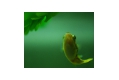

![[welcome]](./images/smilies/welcome.gif "welcome")

 That made my day.
 It'll be easier for us to help you that way!